

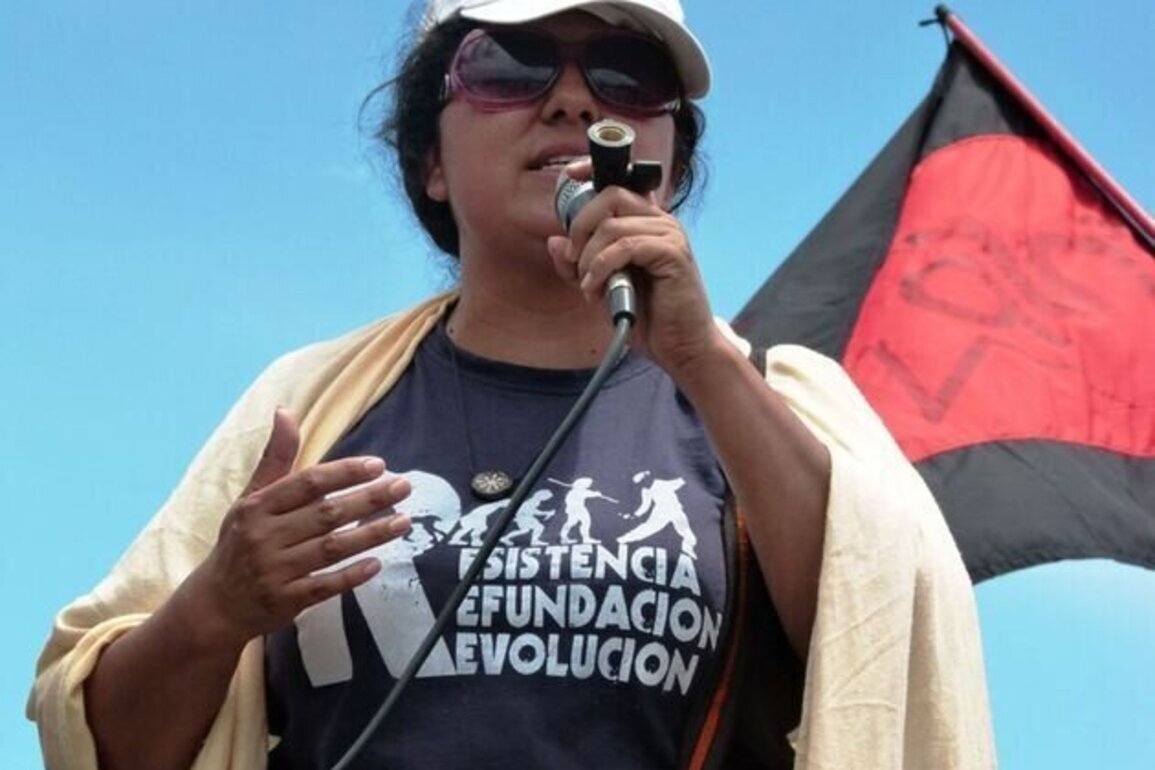
Ten years agoBerta Cceres, a campaigner against dams and mining projects that were displacing rural communities in Honduras, said that death threats had forced her to lead a fugitive existence. Most of the threats came from a company, Desarrollos Energeticos SA (DESA), that was planning a hydroelectric project on the Gualcarque River, sacred to Cceress Indigenous Lenca community.
By John Perry
Hired killers were tracking her movements. An attempt to assassinate her on 5 February 2016 was aborted. On 1 March, Cceres said goodbye to her youngest daughter, who was returning to college. This country is fucked, she said, but if anything happens to me, dont be afraid. The next evening she drove back to her house with a Mexican environmentalist, Gustavo Castro, who was staying the night. Castro was woken near midnight by armed men bursting into the house. They shot him, left him for dead, found Cceres in another room and shot her three times. Castro crawled to assist her and she died in his arms as he called for help.
At first the police treated the attack as a failed burglary. They then arrested a member of Cceress organisation for supposedly killing her in a crime of passion. The seven actual culprits were arrested two months later, found guilty of the murder in November 2018 and given long prison sentences.
They were just the hired killers: who had hired them? Two years after Cceress death, a former president of DESA, David Castillo, was arrested as he tried to leave Honduras. In 2021 he was sentenced to thirty years in prison for plotting the murder. DESA is owned by the Atala Zablah family. There is a warrant out for the arrest of one of them, Daniel Atala, but he remains at large.
If Cceress murder is still unresolved, so is the question of how ordinary Hondurans can wrest control of their country from the dozen families, like the Atala Zablahs, that control much of the media and many large businesses, and have close ties with both the Honduran military and politicians in the United States.
Before her murder, Cceres told the reporterNina Lakhani(who later wrote the bookWho Killed Berta Cceres?):
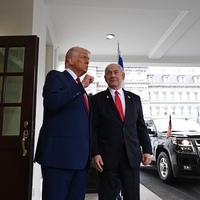
After a succession of manipulated elections that kept the oligarchs in power, the progressive Libre party finally won the presidency in 2021. This proved to betemporary. Neoliberals are already back in charge, looking to reverse the modest gains from four years of Libre rule. President Nasry Asfuras first foreign visits were to Donald Trump in Mar-a-Lago and Benjamin Netanyahu in Jerusalem. He broke ties with Venezuela and promised to reset relations with Taiwan.Cuban doctorsworking in Honduras were told to leave, even as Honduran medics say their health system is close to collapse.
Environmental defenders face new threats. Draft legislation would outlaw protests against the kind of large-scale agroindustrial projects that threaten communities such as Cceress. The Libre government tried to halt the worst of these projects, including the libertariancharter citiesnow known as ZEDEs (zones for employment and economic development), backed by entrepreneurs includingPeter Thieland other Silicon Valley billionaires. Through theinvestor-state dispute settlement system, disappointed investors brought claims against Honduras that totalnearly $10 billion, roughly a quarter of the countrys GDP. Asfura has signalled his intention to back down and allow the projects to continue.
During the eight years of President Juan Orlando Hernndezsnarcostate(2014-22),Global Witnessdocumented the murders of 81 environmental defenders, of whom Cceres was one of the first. As mayor of Tegucigalpa, Asfura was close to Hernndez throughout that period. In 2020 he was accused of diverting public funds, money laundering and fraud. The Honduras Supreme Court annulled the charges after he won the presidential election last November.
Trump not only intervened in the election to ensure Asfuras victory but pardoned Hernndez, who was serving a 45-year sentence for trafficking hundreds of tonnes of cocaine to the United States. There was immediate speculation that Hernndez would soon be back. Hondurass brief respite from extreme neoliberalism is at an end.
Published by theLondon Review of Books
John Perryhas been published in the London Review of Books, FAIR, CovertAction and elsewhere. Both authors are active with theNicaragua Solidarity Coalition.
Pressenza New York