


A landmark gathering of more than 57,000 participants the largest in the history of the World Urban Forum closed on Friday in Baku with an urgent call to rethink how the world houses its people, as a new roadmap urges governments, cities and communities to act collectively on a crisis affecting billions.
From AI-powered transit systems to digital twins and flood-proof parks, cities are embracing technology at an unprecedented scale. But as innovation accelerates, experts warn that inclusion, trust and security will determine who truly benefits.
Soaring housing costs, climate shocks and conflicts are leaving millions without adequate shelter but what can be done? As the 13th UN World Urban Forum opens on Sunday in Baku, Azerbaijan, participants will grapple with solutions to a deepening global housing crisis.
The, shaped by voices from 176 countries, sets out a shared path forward, including:
Reframing housing as a system, linking homes with land, infrastructure, transport, services and economic opportunity rather than treating construction in isolation.
Confronting interconnected pressuresfrom rising costs and land speculation to displacement, weak governance and climate shocks through integrated, people-centred solutions.
Recognizing housing and climate justice as inseparable, with the most vulnerable communities facing the greatest exposure to floods, extreme heat and environmental risks.
Scaling up climate-resilient housing, including through nature-based solutions, retrofitting, upgrading informal settlements and strengthening disaster preparedness.
Turning commitments into action, with stronger multilevel governance, expanded financing, better data and greater support for locally led, community-driven solutions.
No pathway without cities and housing
There is no pathway to achieving the2030 Agendawithout sustainable urbanization and adequate housing.
With these words, UN Deputy SecretaryGeneralAmina Mohammedaddressed the closing ceremony of the 13th World Urban Forum (WUF13), bringing the weeklong gathering, which opened on Sunday, 17 May, to a close.
The task now, she said, is to shape cities that are inclusive, resilient and capable of providing safe housing and opportunity for all, while ensuring that no one is left behind.
Record participation, global reach
The largest World Urban Forum on record, organized by UNHabitat together with the Government of Azerbaijan,brought togethermore than 57,000 participants from 176 countries, including over 3,000 joining online.
Baku hosted 11 heads of State, 88 ministers and 130 mayors. Over the course of the week, 579 events were held, while the Forums biggestever Urban Expo drew more than 74,000 visits. Some 865 journalists covered the gathering.
Home is where dignity begins
For Amina Mohammed, the housing crisis sits at the crossroads of nearly every major global challenge from poverty and inequality to climate change, conflict and instability.
Adequate housing leads to clean water and sanitation. Energy to cook a meal, or heat and light a room. Its about affordability. Safety. Security of tenure, she said.
Cities, she added, are the architecture of priorities revealing what humanity chooses to build, how it builds, and for whom.
Home is where dignity begins, she stressed.
A test for cooperation
The Deputy SecretaryGeneral also warned that the Forum was taking place at a difficult moment for global cooperation.
The values and principles of theUN Charterare being undermined. Tensions are sharper and trust is disappearing. Division is gaining pace, she said.
Yet, she insisted, cooperation remains the only way to tackle challenges of this scale, pointing in particular to the role of local authorities.
Local governments are the ones answering the phone when the storm hits. They are the ones delivering water, transport, housing, and decent work.
A decisive moment for housing
UNHabitat Executive Director Anacludia Rossbach said the Forum had sent a powerful and unified message about the urgency of action.
We are at a decisive moment for the future of housing. We can no longer afford the luxury of inaction, she said.
Housing systems, she warned, are under strain from inequality, real estate speculation, weak governance, rapid urbanization, displacement and the climate crisis.
Housing markets are clearly failing to meet peoples needs. Billions are being pushed into inadequate, unsafe and unaffordable living conditions.
The Forum, she added, made clear that housing must be seen not simply as a market good.
Housing is not a commodity alone. Housing is a human right.
UN-Habitat
Baku, Azerbaijan, will host the Thirteenth Session of the World Urban Forum (WUF13) from 1722 May 2026, organized by UN-Habitat and the Government of Azerbaijan.
From commitments to delivery
Across the Forum, there was broad agreement that political commitments must be matched by practical solutions.
In an interview with , Francine Pickup, head of the UN Development Programme (UNDP) delegation to WUF13, highlighted access to financing as a central challenge, particularly for smaller and secondary cities.
I think financing is really a critical component, she said, pointing to a project in Punjab, Pakistan, where public subsidies, concessional financing and private investment were combined to expand access to housing for low and middleincome families.
Governance, she added, is equally crucial.
Governments need capacities to plan, and then to execute.
UNDP and the European Union, she noted, have worked with around 400 municipalities across Eastern Partnership countries to help local authorities design citizencentred solutions and attract investment.
Stefan Priesner, UN Resident Coordinator in India, highlighted the scale of urban transformation underway there.
Indias urban transformation is one of the largestscale and most consequential development journeys of our time, he said, noting UN support ranging from affordable housing and climateresilient construction to transport and datadriven urban planning.
The United Nations system is proud to support this journey as one, he added, pointing to the contributions of multiple UN agencies.
UN-Habitat/Togrul
Chairman of the State Committee for Urban Planning and Architecture of Azerbaijan Anar Guliyev, addressing the closing session of WUF13..
Baku passes the baton
For Azerbaijani officials, hosting the Forum marked a milestone.
Anar Guliyev, Chairman of the State Committee for Urban Planning and Architecture, said WUF13 would be remembered not only for its scale, but for its impact.
WUF13 will go down in history not only as the largest Forum, but also as the platform that brought housing back to the center of the global political agenda, he said.
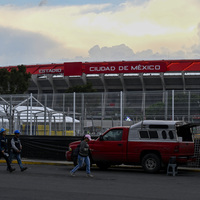
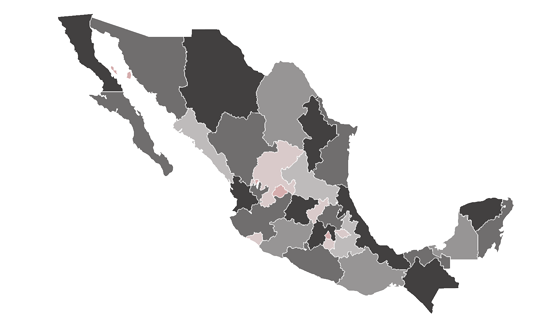
The next session, WUF14, will take place in Mexico in 2028, with Member States invited to express interest in hosting the Forum in 2030.
Time running short
As participants left Baku, the sense of urgency was unmistakable.
With the 2030 deadline for theSustainable Development Goalsapproaching, Ms. Mohammed warned that the pace of change must accelerate.
The next decade of the New Urban Agenda cannot look like the last one, she said.
We need more ambition. More financing. More climate action and resilience. More political urgency.
was in Bakucovering the Summit throughout the week.Find our storieshere.